Just a thin strip of caulking material measuring a few millimetres does not seem like much on a huge building. Water, however, is very persistent and looks through all joints to find a way in. Caulking specialists realise that it is usually that strip which makes the difference between a dry building and one slowly going into decay.
What Caulking Really Does?
Caulking is used for sealing joints between building materials and protecting the building from water, air, dust and pests. At the same time, it gives room for movement between the materials. The materials used in construction, such as concrete, glass, steel and timber, have different coefficients of expansion. They would crack because of the movement caused by temperature changes if there were no joints.
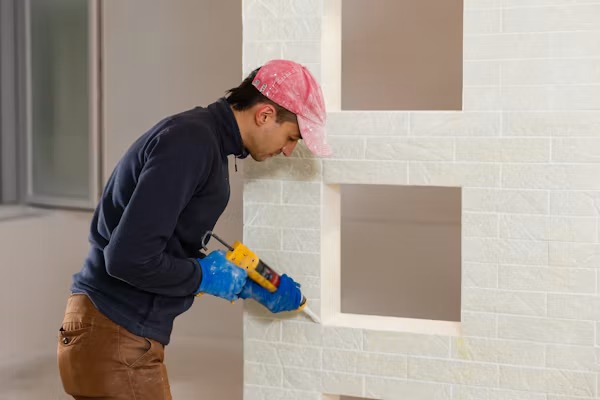
Caulking can be seen almost everywhere in modern construction. Bathing niches, window frames, facades, balconies and concrete slabs use caulking. The total length of joints that need to be sealed by caulking experts can amount to hundreds of metres on apartment houses or construction sites.
Waterproofing Problems Remain a Common Woe
You can’t overstate just how big a deal water-related building problems are, and that’s why this work deserves so much care. According to the 2025 strata defects research done by Building Commission NSW, a whopping 53% of apartment buildings studied had serious defects. And it’s no surprise; waterproofing was easily the most common issue, at a staggering 22%.
But here’s the good news: the same research also showed that waterproofing and fire safety defects actually went down in 2025. That’s right, things did get a bit better. The research looked at NSW strata buildings registered between 2018 and 2024.
The research itself doesn’t go into great detail about how many of those defects involved sealants specifically, which is a shame, because even though we think of caulking, there’s a lot more to waterproofing than that. Waterproofing failures can come from all sorts of places: membranes, drainage, design or installation, not just the sealant itself. And even though sealed joints are a pretty important part of a building’s water defences, they can still go wrong.
Matching the Sealant to the Joint Is Key
Choosing the wrong sealant is one of the easiest ways to seal a joint and watch it fail soon after. Every type of sealant is suited to different conditions:
- Silicone sealants are a good choice for wet areas, glazing, bathrooms, that kind of thing, and for joints exposed to strong sunlight.
- Polyurethane sealants are tough as nails; they can handle a lot of wear and tear, and they’re also paintable, which is a big plus.
- Hybrid polymer sealants are all about flexibility, strong adhesion and being paintable to boot.
- Fire-rated sealants are a whole different ball game; they’re used around service penetrations to help slow down fire and smoke.
Expansion joints in concrete need to be able to handle a lot of movement, while wet area joints need to be able to put up with the constant moisture and stick to tiles and fixtures.
Fire-rated sealing is all about compliance; it’s a critical part of a building’s fire safety system, and products have to match up with tested systems and be installed the way they’re supposed to be.
What Sets Expert Caulking Work Apart From a Quick Fix?
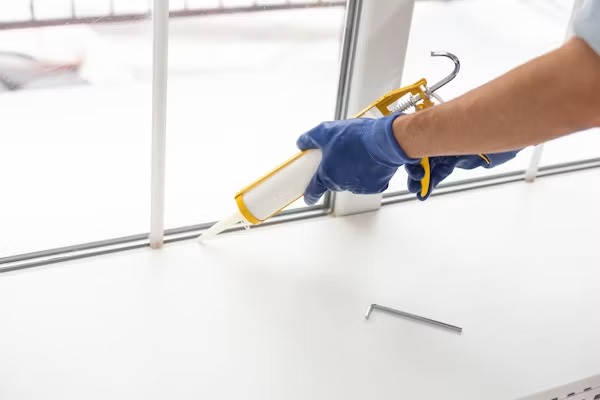
Professional caulking isn’t just about slapping some sealant in a joint; it’s a proper process that starts long before any sealant leaves the gun. First off, you’ve got to scrape out the old, failed sealant; leaving it behind only makes fresh material bond poorly to the surface.
And then, of course, there’s the cleaning and drying and sometimes priming; skipping these steps is a pretty common reason new sealant just doesn’t last very long.
Backing rods sit inside deeper joints to control the depth and shape of the sealant; getting the proportions right is what keeps the sealant from tearing as the building moves.
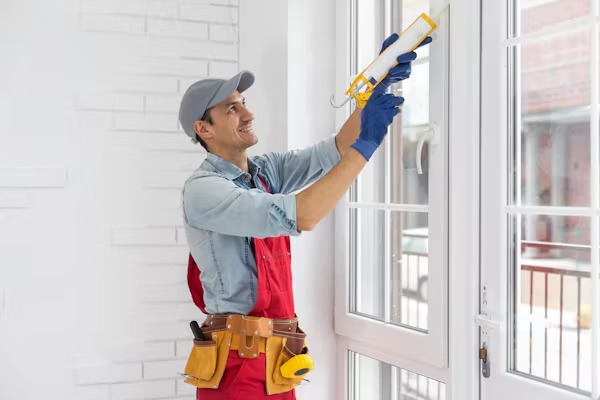
And on big buildings, it’s a whole different story; you might need special equipment like swing stages, boom lifts or rope access, along with careful height safety planning. Experienced teams have to plan around residents, shop owners and building managers so as not to cause too much disruption.
Why Strata Buildings Need to Keep Track of Sealant Work?
Strata committees and building managers have a million things on their plate at once, and clear records of past sealing work help them plan ahead for their budgets and track down recurring problems.
Useful documentation can include the products used, where they were used, and when the job got done.
Reading the Signs That It’s Time to Reseal
Even when it’s been installed perfectly, sealant isn’t going to last forever; sunlight, temperature swings and all that movement will wear it down eventually.
The signs that resealing is needed include:
- Cracks or splits along the joint
- Sealant pulling away from one or both edges
- Discolouration, chalky surfaces or mould spots
- Sealant that’s all hard and doesn’t feel flexible any more
And then there are the more obvious signs: water stains on the ceiling, damp skirting boards, musty smells that suggest a leak nearby.
Lifespans vary with the product and where it’s used, so regular inspections are way more important than following a fixed timeline.