There is a common misconception among Queensland landlords that a smoke alarm certificate proves their compliance with the law. However, the matter is more complex than that, and should not be ignored by those who rent, sell or live in a house.
What the Law Wants to See Apart From Paper Evidence?
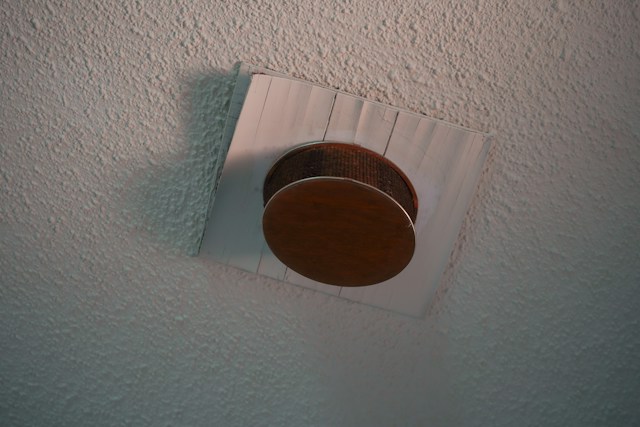
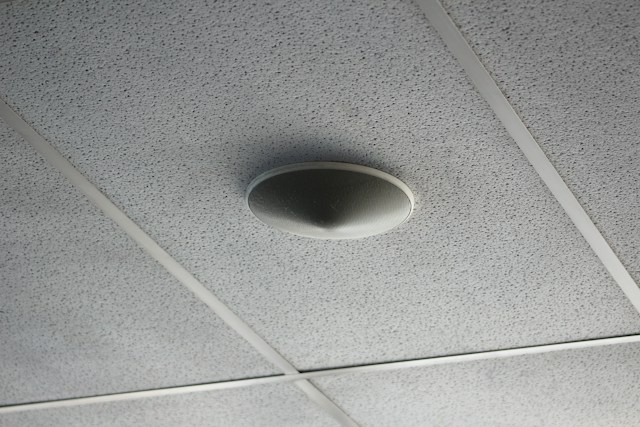
Queensland law requires photoelectric smoke alarms that are interconnected within the home, and a smoke alarm compliance certificate QLD does not change that. Thus, when one alarm is triggered, all alarms in the property should start making noise.
All the existing private dwellings (houses, townhouses, apartments, manufactured houses) should comply with the standard by 1 January 2027. The rental and sold properties have earlier deadlines for compliance.
A compliant smoke alarm should meet the following conditions:
- It must be photoelectric with no ionisation sensor.
- It must correspond to the Australian Standard AS 3786-2014, and this information should be marked on its body.
- It must be interconnected with all the other alarms of the house.
- It must be either hardwired with a secondary power source or powered by a 10-year non-removable battery.
- Hardwired alarms are to be installed only by a licensed electrician.
- 10-year non-removable battery units may be installed by the homeowner.
Where Do Alarms Need to Go?
For many homeowners, especially in bigger or split-level houses, the placement rules can be a shock. Alarms need to be installed on each storey of the house and in every single bedroom. Hallways connecting bedrooms to the rest of the house should also get some coverage.
When a house doesn’t have a hallway between the bedrooms and the rest of the house, you’ll need to put an alarm in between the bedrooms and the rest of that level. Even if a level doesn’t have any bedrooms, there still needs to be one alarm in the most likely exit path.
If you’re doing any renovations, now’s a good time to double-check the alarm placement. For example, if you’ve converted a garage into a bedroom, you’ll need its own alarm that’s linked to the rest of the system.
Situations Where a Certificate Comes Into Play
A lot of people miss this detail, but the Queensland Fire Department makes it very clear: a “certificate of compliance” from a service company isn’t actually a legal requirement for landlords. What’s more, real estate agents often ask for this just as proof that the work got done, and it might even become part of their internal process.
What the law actually requires of landlords is pretty clear: at least 30 days before a tenant moves in, the landlord has to test and clean each smoke alarm, and have a dated service record to prove it.
Landlords who don’t fall in line can expect real consequences; if non-compliance is proven, property owners or landlords can get an infringement notice.
Selling a Home, New Paperwork to Sort
Sellers have a different set of rules to follow. When the sale contract is signed after 31 December 2021, the seller has to get the home up to the interconnected standard before the transfer. The seller then has to declare that this has been done on a Property Information (Transfer) form, commonly known as a Form 24. It’s usually the conveyancer who sorts this out.
If the home has hardwired interconnected alarms, there’s one more document to keep track of; a licensed electrician has to give a certificate of testing and compliance for that installation under Queensland’s electrical safety rules. Buyers and their conveyancers often ask to see this.
Owner-occupiers don’t have to let the fire department know about their alarms, even though it might be a good idea to keep all the paperwork handy, including receipts and installation dates, in case you ever sell the place.
Common Reasons Why Homes Fall Short
Mixed alarm systems are probably the main cause of problems in older houses. A house might have a combination of modern hardwired alarms and older battery units that can’t be linked together, even though every room seems to have a smoke alarm. Yet, the alarms can’t talk to each other.
Lots of owners run into trouble because they’ve got expired alarms; they never bother to check the manufacture date on the back of each unit. And old ionisation alarms in hallways and bedrooms are a big problem too; they need to be replaced with compliant photoelectric alarms before the deadline.
When it does come time to replace those faulty or expired alarms, the fire department advises using the type of device that was originally used in the house. So if a house was built with hardwired alarms, it shouldn’t be a free-for-all to just switch to cheaper battery units at some point.
Preparing for the 2027 Rush
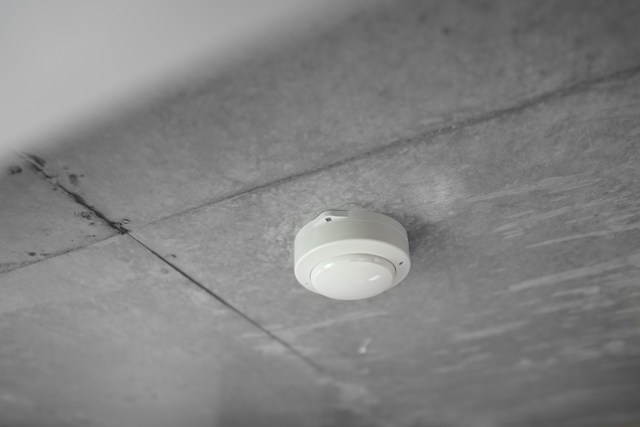
As the deadline approaches, electricians across Queensland are likely going to get very busy. If you get ahead of the game, you can choose your installer, get some quotes and avoid last-minute rush jobs.