Your car is more than just a mode of transportation—it’s an investment, a reflection of your lifestyle, and sometimes even a source of joy. Just like you wouldn’t neglect your health or home, it’s essential to care for your vehicle properly. One critical aspect often overlooked is paint protection. The finish on your car does far more than look good; it shields against the elements and everyday wear and tear.
But how do you keep that shiny exterior looking pristine? Creating a long-term paint protection care plan can make all the difference in maintaining your vehicle’s value and appearance over time. Let’s dive into why regular maintenance matters, explore various paint protection options available to you, and outline how to create an effective strategy tailored specifically for your ride.
The Importance of Regular Car Maintenance
paint protection for new car is a regular car maintenance that is crucial for ensuring your vehicle runs smoothly and efficiently. It goes beyond just changing the oil or rotating tires; it’s about keeping every component in check.
A well-maintained car not only performs better but also lasts longer. Ignoring small issues can lead to more significant problems down the line, costing you time and money. A simple tire rotation today can prevent uneven wear tomorrow.
Moreover, routine upkeep enhances safety on the road. Brake checks, fluid levels, and battery health are vital for protecting both you and your passengers.
In addition to performance and safety benefits, regular maintenance boosts your vehicle’s resale value. Prospective buyers appreciate a well-documented service history that shows your commitment to care. Keeping records of inspections and services provides confidence when it’s time to sell or trade in your car.

Understanding Paint Protection
Paint protection is a crucial aspect of automotive care. It shields your vehicle’s surface from various threats, including UV rays, dirt, and environmental contaminants.
Understanding how paint protection works can help you make informed choices for your car. This layer acts as a barrier that absorbs impacts and prevents scratches.
There are different types available, ranging from coatings to films. Each option provides varying levels of durability and shine enhancement.
Selecting the right product depends on your lifestyle and driving habits. A daily commuter may need stronger protection than someone who uses their car occasionally.
Regularly applying these products can keep your vehicle looking new for years. Investing time in understanding paint protection will pay off with long-lasting results and enhanced resale value.
Types of Paint Protection Products
When it comes to protecting your car’s paint, various products can help maintain that showroom shine. One popular option is wax. It’s easy to apply and offers a decent layer of protection against UV rays and minor scratches.
Sealants are another great choice. They provide a more durable barrier than wax, often lasting several months. These synthetic options bond with the paint surface, enhancing gloss while repelling dirt and grime.
Ceramic coatings have gained traction in recent years due to their exceptional durability. They form a chemical bond with the paint, creating an ultra-thin protective layer resistant to chemicals and environmental pollutants.
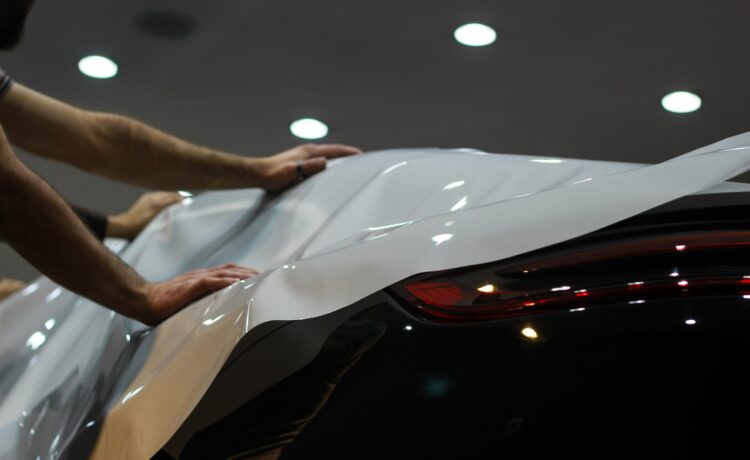
For those who want added convenience, paint protection films (PPF) offer excellent defense against chips and scratches. This clear film acts as an invisible shield without compromising aesthetics.
Each product serves its purpose; choosing one depends on your vehicle’s needs and your maintenance routine.
DIY vs Professional Paint Protection
When it comes to paint protection, choosing between DIY methods and professional services can be tricky.
DIY products are often more affordable and allow you to take control of the process. Many kits offer user-friendly instructions, making it accessible for those who enjoy hands-on projects. However, results can vary based on skill level and technique.
On the flip side, professional application brings expertise that ensures a flawless finish. Professionals have access to high-quality materials not always available in retail stores. Their experience means they know how to assess your car’s specific needs effectively.
The choice ultimately depends on your budget, time constraints, and personal preference for involvement in maintenance tasks. If you want peace of mind about quality assurance, going with a pro might be worth considering.
Long-Term Care Plan for Your Car
Creating a long-term paint protection care plan for your car is essential for maintaining its appearance and value. Start with regular inspections of the exterior to catch any potential issues early. This could include scratches, chips, or signs of fading.
Schedule routine washings using gentle products to remove dirt and grime without damaging the paint. Consider incorporating monthly waxing into your schedule to provide an additional layer of protection against environmental elements.
Investing in high-quality sealants or ceramic coatings can offer lasting benefits. They create a strong barrier that resists UV rays, bird droppings, tree sap, and other contaminants. If you choose this route, ensure proper application for optimum results.
Don’t overlook the interior as part of your care plan either. Use protectants on surfaces like leather and vinyl to guard against wear over time. Regular vacuuming will keep dirt from scratching those surfaces.
Document all maintenance activities in a logbook or digital format. Tracking what you’ve done helps identify patterns and ensures no steps are skipped along the way.
Adopting these practices not only protects your vehicle’s aesthetic but can also enhance its resale value when it’s time for an upgrade down the road.