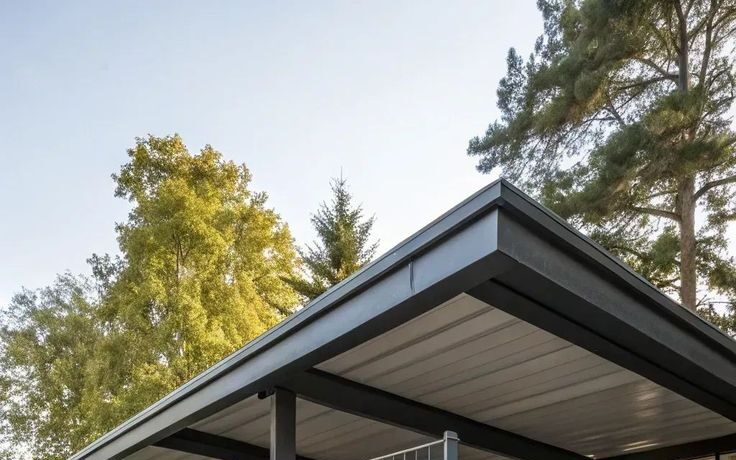
When it comes to protecting your vehicle from the elements, a carport can be a game-changer. Imagine stepping outside on a rainy day and finding your car dry and ready to go, or walking out in the summer heat without worrying about sun damage. Carports offer more than just shelter; they provide peace of mind for every vehicle owner.
Whether you’re looking to shield your ride from snow, hail, or intense UV rays, investing in a carport is an effective solution. With various styles and materials available, there’s something that fits both your aesthetic preferences and practical needs. Let’s explore how you can safeguard your investment with the right carport tailored just for you!
Benefits of Having a Carport
A outdoor carport offers a shield against the elements. Whether it’s scorching sun or heavy rain, your vehicle remains protected. This reduces wear and tear on paintwork and prevents rust from forming.
Another advantage is convenience. With a carport, you can hop into your car without battling harsh weather conditions. No more scraping ice off windows in winter or dealing with soaked seats after a downpour.
Carports are also versatile spaces. They can serve as extra storage for tools or outdoor equipment, providing additional utility to your property.
They often require less maintenance than garages. Without walls that need painting or doors that might jam, upkeep becomes simpler and less costly over time.
From enhancing curb appeal to increasing property value, the benefits of having a carport extend beyond just protecting your vehicle—it enriches your lifestyle too.
Different Types of Carports
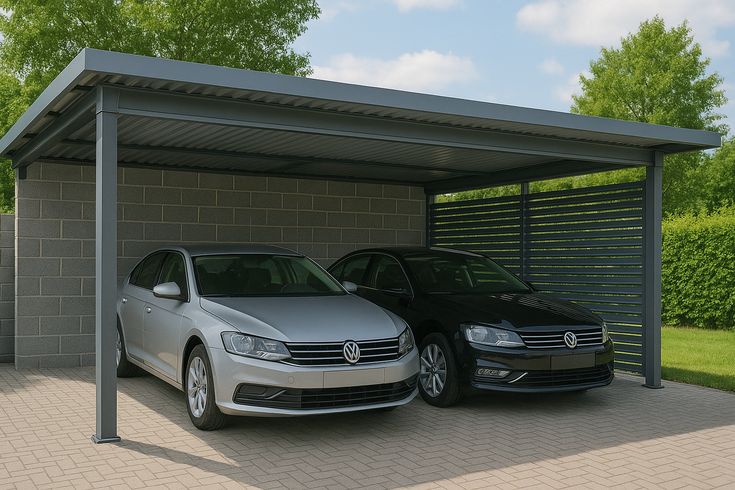
Carports come in various styles, catering to different needs and aesthetics. The most common type is the open carport. This straightforward design provides basic coverage for vehicles while allowing easy access.
For those seeking more protection, enclosed carports are an excellent choice. These structures feature walls that shield cars from wind, rain, and snow while also offering additional security.
Another popular option is the portable carport. Lightweight and easy to assemble, these can be relocated as needed. They’re perfect for temporary solutions or someone with changing requirements.
Then there are attached carports which connect directly to a home or building. They offer convenience by keeping vehicles close but may require consideration of architectural style.
Custom-designed carports allow homeowners to tailor their structure according to personal preferences and specific space constraints. Each type offers its own set of advantages based on individual situations and locations.
How to Choose the Right Size and Material for Your Carport
Choosing the right size for your carport starts with assessing your vehicle. Measure the height, width, and length of your car or truck to ensure a snug fit. Don’t forget about extra space for opening doors and moving around.
Next, consider how many vehicles you want to protect. If you plan on expanding your fleet in the future, opt for a larger model now.
Material selection is equally important. Steel offers durability and strength against harsh weather conditions. Aluminum is lightweight and resistant to rust but may not provide as much protection.
Think about aesthetics too—wooden carports can blend nicely with natural surroundings but require more maintenance over time. Each material has its pros and cons, so weigh them based on your needs, climate, and budget before making a decision.
DIY vs Professional Installation
When it comes to installing a carport, you have two main options: tackling the project yourself or hiring professionals. Both choices come with their advantages and considerations.
If you’re handy and enjoy DIY projects, then building your own carport can be a rewarding experience. It allows for complete customization based on your vehicle’s needs and personal style. You can choose the materials that suit your taste and budget. Plus, there’s a sense of accomplishment in completing such a significant task.
However, keep in mind that this route requires time, effort, and some level of skill. You’ll need to research local regulations regarding permits and zoning as well as ensure proper construction methods are used for safety purposes.
On the other hand, professional installation offers peace of mind. Experienced contractors know how to navigate any potential challenges during installation efficiently. They handle all aspects from obtaining necessary permits to ensuring structural integrity while saving you time.
Whether you’re drawn to the hands-on aspect of DIY or prefer the expertise offered by professionals depends on your comfort level with construction tasks and how much time you’re willing to invest in getting things done right. Either way, having a carport will protect your vehicle from harsh weather elements effectively.