Navigating through cancer treatment is a journey filled with many challenges, and one of the most visible changes you might experience is in your skin. For many patients, these alterations can be surprising and sometimes distressing. The skin acts as a canvas that reflects not just physical health but also emotional well-being. It’s essential to understand what’s happening beneath the surface during this time.
As treatments like chemotherapy and radiation do their work, they can take a toll on your skin’s appearance and feel. From dryness to rashes, these changes are often part of the healing process—though it may not seem that way at first glance. Understanding why these shifts occur can empower you to manage them better.
In this post, we’ll explore common skin issues encountered during treatment and offer insights into managing those changes effectively. Embracing your new normal becomes easier when you’re informed about what lies ahead for both your body and spirit. Let’s delve into this vital aspect of cancer recovery together!
Common Skin Issues During Cancer Treatment
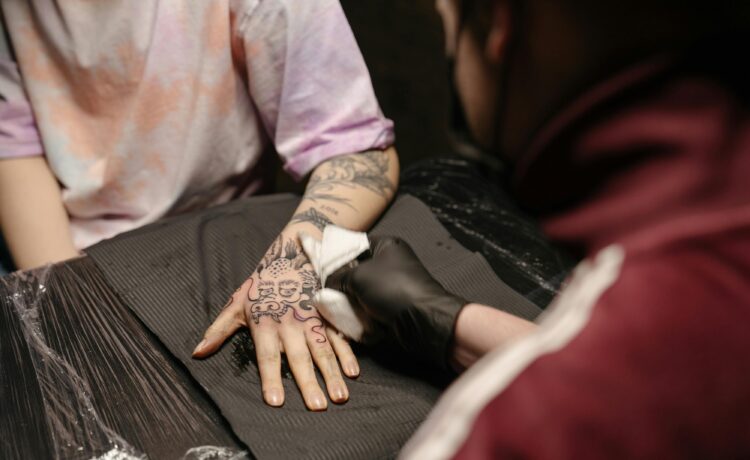
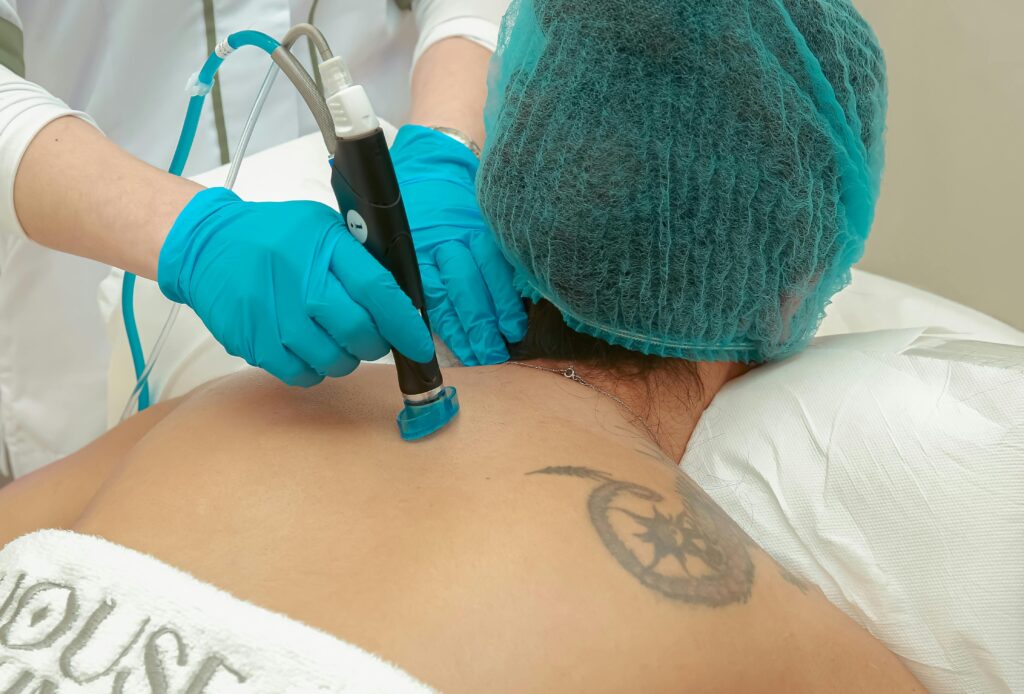
Cancer treatment can lead to various skin issues, each presenting its own challenges. One of the most common problems is dryness. Many patients experience a lack of moisture that can leave the skin feeling tight and uncomfortable. Understanding what to expect during tattoo removal healing stages and how your skin recovers can also provide useful insight into how skin heals, regenerates, and responds to stress, helping individuals better manage sensitivity, hydration, and overall skin care during recovery.
Redness and irritation are also frequent complaints. Treatments like chemotherapy may cause sensitive skin that reacts easily to products or environmental factors. This can make everyday routines feel daunting.
Some individuals might notice rashes or breakouts as well. These occur when the body’s immune system responds unpredictably during treatment phases.
Another issue could be pigmentation changes, leading to darker or lighter patches on the skin. Such variations often catch patients off guard as they navigate their healing journey.
Skin peeling and flaking may follow too, particularly in areas exposed to radiation therapy. All these changes contribute to a unique set of experiences for those undergoing cancer care.
Understanding How Chemotherapy and Radiation Affect the Skin
Chemotherapy and radiation therapy are essential tools in cancer treatment, but they come with side effects that can affect the skin significantly.
Chemotherapy targets rapidly dividing cells, including those in hair follicles and the skin. This can lead to dryness, rashes, or even peeling skin. The intensity of these effects often varies from person to person.
Radiation therapy focuses on specific areas to kill cancer cells. Unfortunately, it can also damage surrounding healthy tissue. Skin exposed to radiation may become red, tender, or develop blisters as healing begins.
Both treatments compromise the skin’s barrier function. This makes it more susceptible to infections and irritants. Monitoring your skin closely during this time is crucial for managing any emerging issues effectively.
Staying hydrated and gentle skincare routines are vital steps toward alleviating discomfort caused by these treatments.
Ways to Manage and Treat Skin Changes
Managing skin changes during treatment can be challenging, but there are effective strategies to help ease discomfort.
Hydration is key. Using gentle moisturizers regularly can soothe dryness and restore the skin’s barrier. Look for products with natural ingredients, free from harsh chemicals.
Sun protection is essential as well. Shielding your skin from UV rays helps prevent irritation and further damage. Opt for broad-spectrum sunscreen with a high SPF, and wear protective clothing when outdoors.
Gentle cleansing routines also play a vital role. Use mild soaps or cleansers designed for sensitive skin to avoid exacerbating any issues.
Consulting a dermatologist familiar with cancer care ensures personalized advice tailored to your situation. They may recommend treatments like topical steroids or specialized ointments for specific concerns.
Don’t underestimate the power of support groups where shared experiences can provide comfort and practical tips on navigating these changes together.
Embracing Your New Normal Coping with Permanent Skin Changes
Embracing your new normal after cancer treatment can be challenging, especially when it comes to skin changes. For many, these alterations may feel like a constant reminder of the journey you’ve been through. However, acceptance is a powerful tool.
It’s important to understand that while some skin changes may be temporary, others could remain long-term. Scarring, discoloration, or sensitivity might become part of your daily life. Acknowledging this reality doesn’t mean defeat; rather, it opens up opportunities for self-care and adaptation.
Finding ways to embrace your altered skin can lead to empowerment. Consider speaking with professionals about skincare routines tailored specifically for post-treatment needs. Gentle products that nourish and hydrate are often beneficial in managing sensitive areas.
Connecting with communities experiencing similar challenges offers support and understanding. Sharing stories fosters connection and reminds you that you’re not alone in navigating these changes.
Remember that beauty transcends appearance; it’s also about resilience and strength gained from facing adversity head-on. Each mark on your skin tells a story—your story—and reflects the courage you’ve shown throughout your journey.
Embracing who you have become involves compassion towards yourself as well as an open heart towards what lies ahead. Celebrate small victories along the way because they contribute to moving forward into this new chapter of life filled with possibilities.