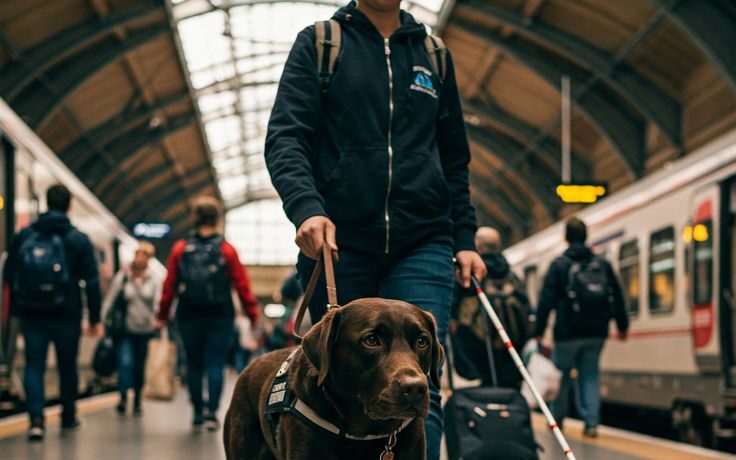
Imagine a furry companion by your side, expertly trained to assist you in daily tasks and provide unwavering support. Assistance dogs are more than just pets; they are lifelines for individuals with disabilities, offering independence and companionship. But behind every well-trained assistance dog lies an extensive journey of training and socialization.
The process is intricate, requiring dedication not only from professional trainers but also from volunteers who give their time and love to prepare these canines for their vital roles. Volunteering plays a crucial part in shaping the skills these dogs need while creating bonds that last a lifetime. Let’s delve into how this selfless act transforms both animals and humans alike, paving the way for successful partnerships between assistance dogs and those they serve.
The Importance of Proper Training for Assistance Dogs
Proper training is crucial for assistance dogs, as these animals perform essential tasks that greatly improve their handlers’ quality of life. Without the right volunteer guide dogs
, even the most intelligent dog can struggle to meet expectations.
These dogs must learn a variety of commands and behaviors tailored to individual needs. From guiding visually impaired individuals to alerting those with medical conditions, each task requires precision and reliability.
Moreover, socialization plays a significant role in ensuring these dogs remain calm and focused in various environments. They encounter numerous stimuli daily—everything from bustling crowds to loud noises—that could distract or overwhelm them.
An untrained dog may not only underperform but could also pose risks in critical situations. Therefore, investing time and resources into proper training is vital for both the safety of the handler and the effectiveness of the assistance provided by these remarkable animals.
The Role of Volunteering in Training Assistance Dogs
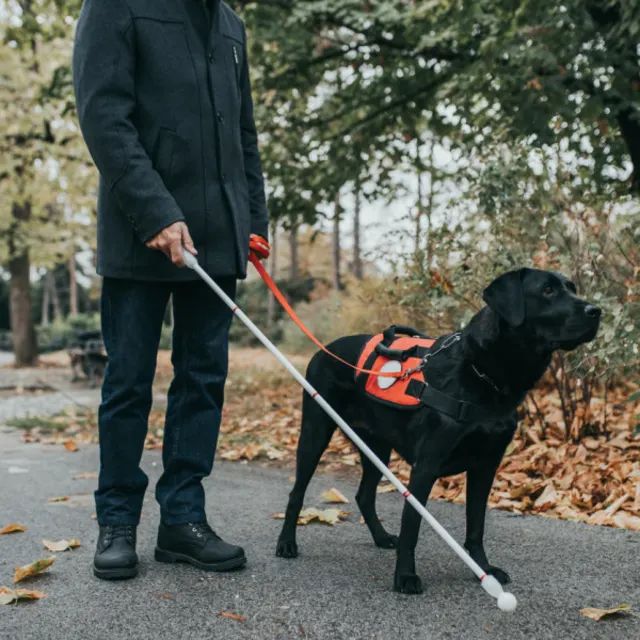
Volunteering plays a crucial role in the training of assistance dogs. These compassionate canines require extensive guidance to develop their skills, and dedicated volunteers step up to provide it.
Every hour spent socializing, reinforcing commands, and exposing dogs to different environments makes a difference. Volunteers help create well-rounded companions that are ready for service.
Training sessions often involve real-life scenarios where volunteers simulate various challenges. This hands-on experience is invaluable for both the dog and the future handler.
Moreover, volunteers become part of a community with shared goals. They form connections that enhance their commitment while also fostering an environment of support and encouragement.
Through volunteering, individuals not only contribute to shaping these remarkable animals but also gain personal fulfillment from making a positive impact on someone’s life. The bond created during this process is profound and lasting.
Benefits of Volunteering for Assistance Dog Training Programs
Volunteering for assistance dog training programs offers numerous personal rewards. One of the most significant benefits is the opportunity to connect with others who share a passion for animals and service. These connections can lead to lasting friendships and a sense of community.
Engaging directly with dogs enhances your understanding of canine behavior. Each training session presents new challenges, allowing you to develop valuable skills in patience, communication, and problem-solving.
Additionally, volunteering often brings emotional fulfillment. Witnessing the transformation from an untrained puppy to a confident assistance dog is incredibly rewarding. You play an essential role in changing lives not just for the future handlers but also for individuals with disabilities who will benefit from these well-trained companions.
Moreover, this experience can boost your resume or college applications by showcasing commitment and compassion towards helping those in need. Volunteering enriches both your life and that of others around you.
How to Get Involved with Assistance Dog Training Organizations
Getting involved with assistance dog training organizations is a rewarding journey. There are various ways to contribute, whether you have time to spare or specific skills to offer.
Many organizations welcome volunteers for puppy socialization programs. This involves spending time with young dogs, helping them adapt to different environments and experiences. It’s an important step in their development that helps shape their future as reliable assistance animals.
If you’re interested in hands-on training, consider becoming a trainer’s assistant. You’ll learn the ropes while supporting experienced trainers in teaching essential commands and behaviors. It’s a fantastic way to deepen your knowledge about canine behavior and training techniques.
For those who may not be able to commit regularly, support roles such as fundraising or event organizing also play a crucial part in these organizations’ success. Your efforts can help raise awareness about the importance of assistance dogs and provide necessary resources for their training.
Check local shelters or nonprofit organizations online; many have volunteer opportunities listed on their websites. Engaging with community events related to service animals is another great way to connect with like-minded individuals passionate about making a difference.
No matter how you choose to get involved, every contribution counts toward creating well-trained assistance dogs ready to help those in need.