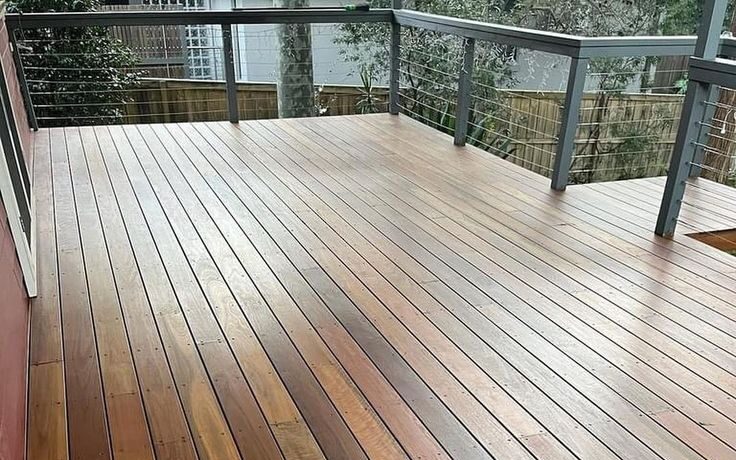
Timber decking can transform your outdoor space into a stunning retreat. Whether you envision hosting summer barbecues or simply relaxing with a good book, the right deck enhances both functionality and aesthetics. But before diving into this exciting project, it’s essential to understand what influences the cost of timber decking. Many factors come into play, from the type of wood you choose to the design intricacies involved in its construction. Let’s explore these elements so that you can make informed decisions for your dream deck while keeping an eye on your budget.
Factors that Affect the Cost of Timber Decking
When considering timber decking, several factors come into play that can significantly impact the overall cost.
One of the primary considerations is the quality and type of wood chosen for your project. Hardwoods tend to be pricier but offer durability and a stunning finish, while softwoods are more affordable yet may require more maintenance over time, all of which directly affect timber decking prices
The size and complexity of your deck also influence costs. A larger area or intricate design will demand more materials and labor, driving up expenses.
Location plays a crucial role too; remote areas may incur higher transportation fees, while urban settings might have additional regulations or fees associated with construction.
Accessibility cannot be overlooked. If your site has obstacles that complicate installation, expect to see increased labor charges reflecting those challenges.
Quality and Type of Wood
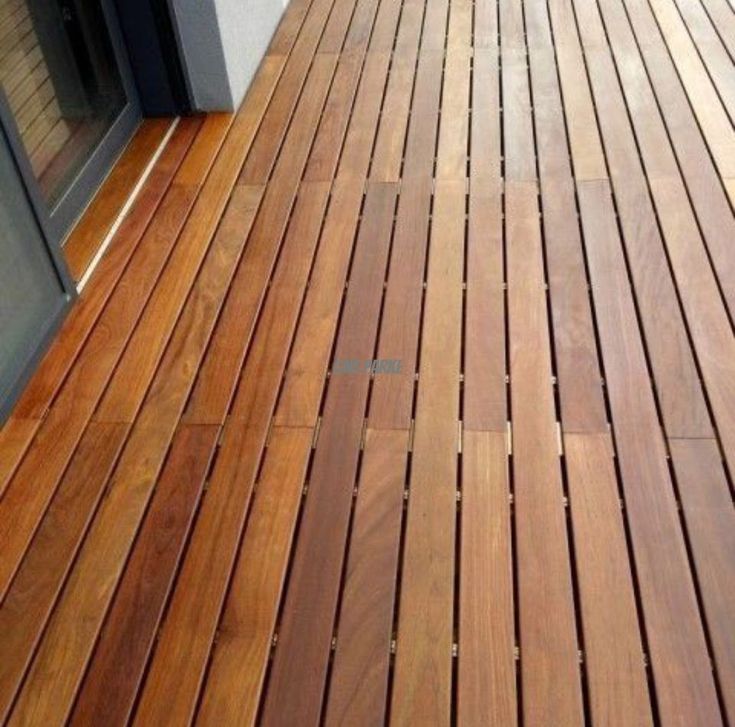
The quality and type of wood you choose for your timber decking play a crucial role in determining the overall cost. Hardwoods like teak or mahogany are often more expensive due to their durability and resistance to weathering. They provide a stunning aesthetic but come with a higher price tag.
Softwoods, such as pine or cedar, offer budget-friendly options with decent longevity when treated properly. However, they may require more maintenance over time compared to hardwoods.
Sustainability is another consideration that can influence costs. Sourcing certified sustainable wood might be pricier upfront but pays off through environmental benefits and long-term performance.
Selecting the right material involves weighing aesthetics against functionality while keeping your budget in mind. Quality matters; investing wisely can lead to savings on repairs down the line!
Size and Complexity of the Deck
The size of your deck plays a significant role in determining the overall cost. Larger decks require more materials and labor, which naturally raises expenses.
Complexity adds another layer to the pricing puzzle. A simple rectangular design is generally cheaper than an intricate layout with curves, multiple levels, or built-in features like benches and planters.
Additionally, custom designs often demand specialized skills from contractors. This expertise can lead to higher labor costs but results in a unique outdoor space tailored just for you.
Don’t forget about permits and regulations that may apply based on your deck’s size and complexity. These factors can incur extra fees as well.
In essence, both dimensions and design intricacies directly impact the budget for your timber decking project.
Location and Accessibility
When considering timber decking, location and accessibility play a crucial role in determining the overall cost. If your site is easily accessible, it can significantly reduce labor costs. Contractors will charge less if they don’t have to navigate challenging terrain or deal with transportation issues.
On the other hand, if your property is located on steep slopes or in hard-to-reach areas, expect to pay more for installation. The additional time and effort required can add up quickly. Moreover, local building codes and regulations may also influence costs depending on where you live.
Another aspect of location is climate. Areas prone to extreme weather conditions might require special treatments or materials that are more expensive but ensure longevity and durability.
Considering all these factors will help you better understand how different elements contribute to the final price tag of your timber decking project. By evaluating each aspect carefully—quality of wood, size and complexity of design, along with location—you’ll be well-equipped to make informed decisions that suit both your budget and vision for outdoor living space.